
Humanity
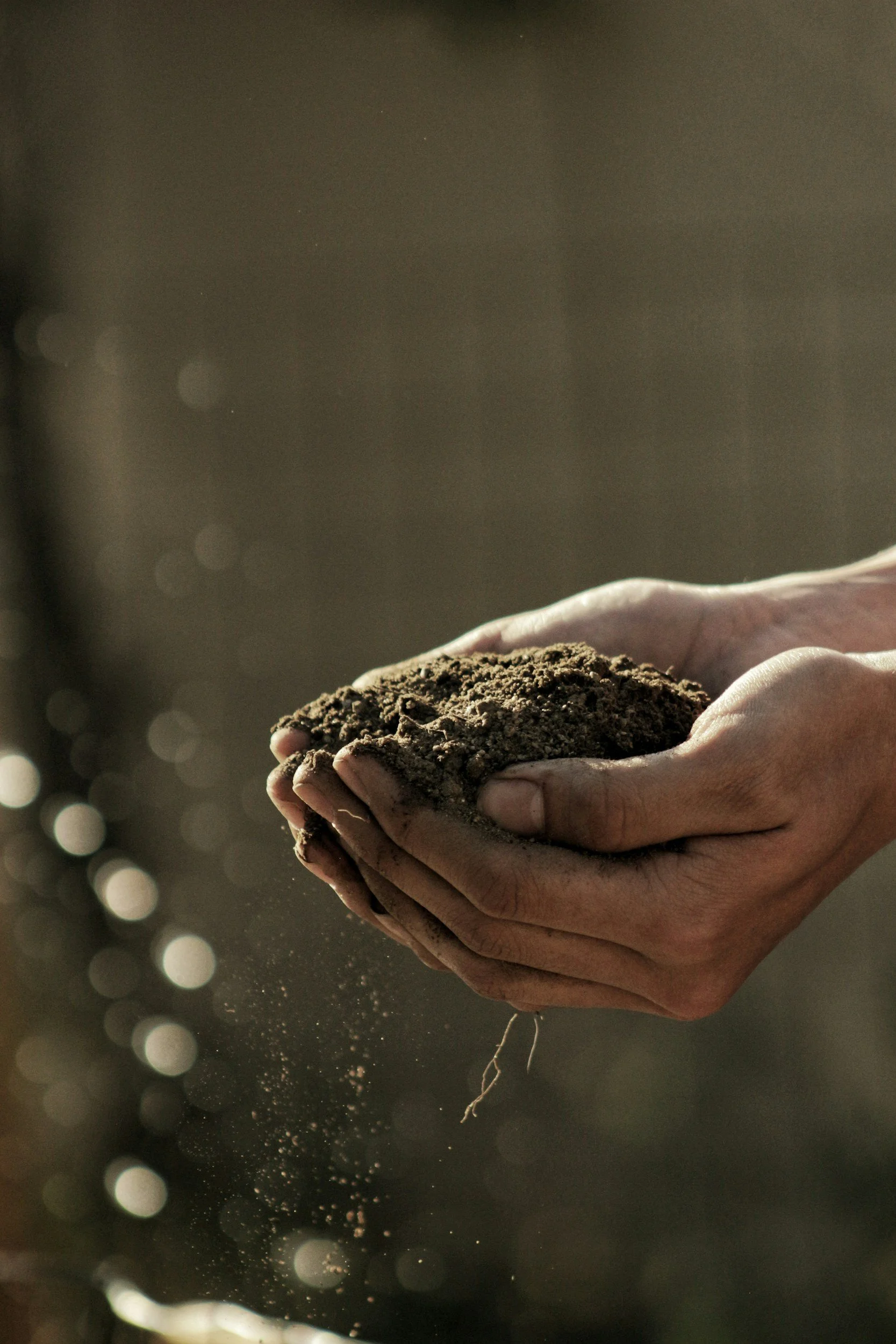
Humans are an Archon race that were created by Meraki to watch over the mortal realm.
Humans are the only recorded race that have been able to form unions with other races; however, Humans have been unable to form unions amongst themselves despite numerous failed attempts.
Post-Schism, Humanity pulled away from their roles as guardians and have been living for the sake of themselves. They are also the current dominant race due to their ability to adapt to various environments.
Ancient Civilizations
Over time, a variety of human civilizations were founded and decayed. Their ruins can be found throughout the natural world.
The most notable civilizations include:
Vulcan
Vulcan was a major human city-state during the Cradle, located in the northern-most regions of the Seelie continent.
Vulcanites built their city into the mountain itself. Rather than constructing multiple satellite towns and villages, Vulcan simply expanded as more and more tunnels and chambers were constructed within the cave system, becoming a massive web that sprawled on for kilometers.
Vulcanites were famous for their unparalleled smithing abilities but hey were also exceptional fishers and hearty sea-fairing people—despite dwelling within their mountains. Their diet consisted primarily of fish and they developed short, stocky frames that grew resilient to the cold. They were also renowned for their martial combat prowess and producing luxurious furs.
The Mountain King
Sigurdur was the first Vulcan king and was beloved by his people.
Sigurdur was responsible for leading the group of Ilysians who eventually became the Vulcanites into the northern frontier. The expedition was tasked with locating viable mineral deposits and establishing a mining settlement. Through Sigurdur’s leadership and expertise, the group was able to succeed in their mission with minimal casualties. Having bonded through mutual trauma and danger, the group had become fiercely loyal to one another and, once Vulcan had been established, they cut all ties with Ilysia and selected Sigurdur as their king.
Sigurdur and his followers built Vulcan from the ground up and used the mountains’ natural landscape as their defenses. The city-state flourished and started to rival Ilysia in size.
Sigurdur eventually had a daughter whom he named Åse and raised as his successor.
When the first Mountain King did pass, he did so peacefully surrounded by loved ones. The entire city-state was devastated and mourned the loss for weeks.
The Mountain Queen
Sigurdur taught his daughter Åse all he knew. From the day she was born, Sigurdur primed her to succeed him as the monarch of Vulcan.
Åse had a fiery spirit and was such a natural smith, that many Vulcanites claimed she had already surpassed her father at a young age; however, her temperament had them questioning her capacity as a leader. Nonetheless, her people adored her just as much as her father and celebrated her as the prize jewel of Vulcan.
When Sigurdur passed, Åse was devastated and undertook a pilgrimage to Efstr Plateau to seek guidance from the gods. It was during this pilgrimage that Åse met Atreyu. Using the bundle of orichalcum that Atreyu had brought, Åse forged Storm-Light for the peculiar Ilysian, naming the spear after Atreyu and the way he appeared like a beacon shining through the blizzard.
Fascinated with him, Åse accompanied Atreyu on his remaining adventures and, eventually, the two married. The pair retired to the countryside and only returned to battle when Nezha struck.
After Nezha was defeated and Atreyu ascended to godhood, Åse returned to Vulcan and claimed her rightful place as Queen, leading her people into a second golden age of prosperity.
Silence on the Frontier
During the Schism, the halls of Vulcan began to shift and break apart. With the tectonic shifts, chambers that were once intricately connected became scattered across the tundra. Nonetheless, Vulcanites were able to persevere and even opened their doors to people who had fled their homes to escape the chaos of the shifting world. Unlike other city-states, Vulcan was able to survive and even thrive during the Schism.
Shortly after Thalin created and distributed the keystones, Thalin sent an emissary to Vulcan to discuss establishing another academy there. The school was to focus primarily on the study of engineering and other fields of craftsmanship; however, when the emissary arrived they found the city completely empty as if the people of Vulcan simply vanished overnight. Below is the recorded testimony of the emissary:
“Our carriage wheels ground to a halt against the cobblestones of the southern gate, but no guards challenged the arrival, and no sentries paced the ramparts above. Stepping down onto the thoroughfare, there was an almost suffocating silence hanging over the city. No scars of siege engines blemished the outer walls, no shattered timber littered about, and not a drop of ash colored the streets to suggest a hurried flight or a bloody rout. Vulcan stood before us utterly untouched.
When we entered the mountain halls, marketplace stalls still groaned under the weight of ripening fruit, and bolts of colored silk fluttered undisturbed in the afternoon breeze. Pushing open the heavy oak door of a nearby tavern, we found tables laden with half-eaten meals; silver cutlery rested beside pewter mugs of ale that had barely settled, and bread sat sliced on boards as though the diners had simply stepped away. Yet the hearths were cold, and the air held the stillness of a tomb. Every worldly possession, every tool of trade, and every keepsake remained exactly where it belonged, preserved in pristine, terrifying completeness—like a scene from a grand oil painting.
After we conducted our sweep of the city, hoping to find at least one answer to explain what had happened, we left in a hurry. To linger felt…fundamentally wrong. An instinctual dread made our skin crawl and our blood curdle with every passing second. Even a lifetime spent never returning to those empty gates would not be long enough.”
Silvanus
A major human city-state during the Cradle, Silvanus was located in the southern jungles of the Seelie continent and was known as the “gate” of the World-Tree as most travelers passed through the city during religious pilgrimages.
Silvanites migrated to the south of the Seelie continent. Their homes were integrated into the woods. They were people renowned for their magical prowess and adhered to a mostly vegetarian diet. It is also said they had long slender bodies ideal for climbing and running long distances. They had one major city hidden deep inside the jungles, while the rest of their people scattered throughout the continent to live a more rural lifestyle.
Orichalcum
In addition to their advancements in magic and spellcasting, records state that Silvanus was famous for sitting by rich veins of Orichalcum. The Silvanites used their mines to trade and grow their economy much to the dismay of the local Seelie tribes. There are numerous records criticizing them for overmining. Nonetheless, Silvanus began exporting the resource to Vulcan for processing which produced a flood of magical artifacts and other precious relics. Orichalcum was used in weapon crafting, armor, and even became essential for magical research.
Zira
A small, Silvanite village located deep in the jungles of the southern part of the Seelie continent. The people of Zira were devout followers of Ayla and even erected a grand temple dedicated to the Moon goddess.
Despite their cult of Night Maiden, Zira is truly famous for being the battlefield where Atreyu defeated the Ōmukade and the home of Atreyu’s companion Thalin.
During the Schism, Thalin established Hawthorne Academy in Zira and named his childhood friend Cozauh the headmaster. Hawthorne Academy’s main purpose was to study the remains of the Ōmukade which attracted many scholars; however, due to the nature of Cozauh’s research and the rise of the lich Nae’va, academics believed the school to be cursed and faculty and students alike fled in droves leaving the hallowed halls to fall into ruin.
The location of Zira was lost post-Schism. Many historians and archaeologists spend their entire careers trying to re-locate the temple in the hopes of recovering even a fraction of the Ōmukade’s remains.
Sen Vera
Sen Vera is an ancient human city-state located in the eastern region of the Seelie continent. It was a culinary hotspot rich in culture, albeit one that was closed off to the world. Contemporaries of their time frequently categorized Sen Verians as anti-social people. They were masters at stealth, and no group was more adept at brewing alchemy than Sen Vera.
Typically short, Sen Verians were famous for their culinary developments. It is said that all matters in Sen Vera could be solved at the dinner table—whether that be through mugs of ale or poisoned goblets.
Sen Vera was the homeland of Atreyu’s companion Farah.
Ilysia
Ilysia was the first documented city erected by humanity during the Cradle. It was the largest human capital on the Seelie continent and acted as a metropolis that accepted people from all walks of life. It was famous for its advanced agricultural practices and being the hometown of Atreyu.
Ilysians approached life with a balanced philosophy. While the other cultures specialized in specific fields reaching nigh untouchable levels of expertise, Ilysians valued being jacks-of-all-trades. They were agrarian and feasted on a diet of crop vegetables and livestock.
Aesica
Aesica was a port-town and satelite settlement of Ilysia. It became a profitable frontier town during the Cradle and sat just east of Ilysia.
Aesica was famous as the first town that Atreyu visited when starting his journey. It was in Aesica that Atreyu and Farah befriended the kelpie Ketos and Atreyu formed the first union.
Records state that they had erected a significant monument to the adventurer in the middle of the town; however, it is believed that, over time during the Schism, looters destroyed and stripped the statue for any valuables.
