
Fae
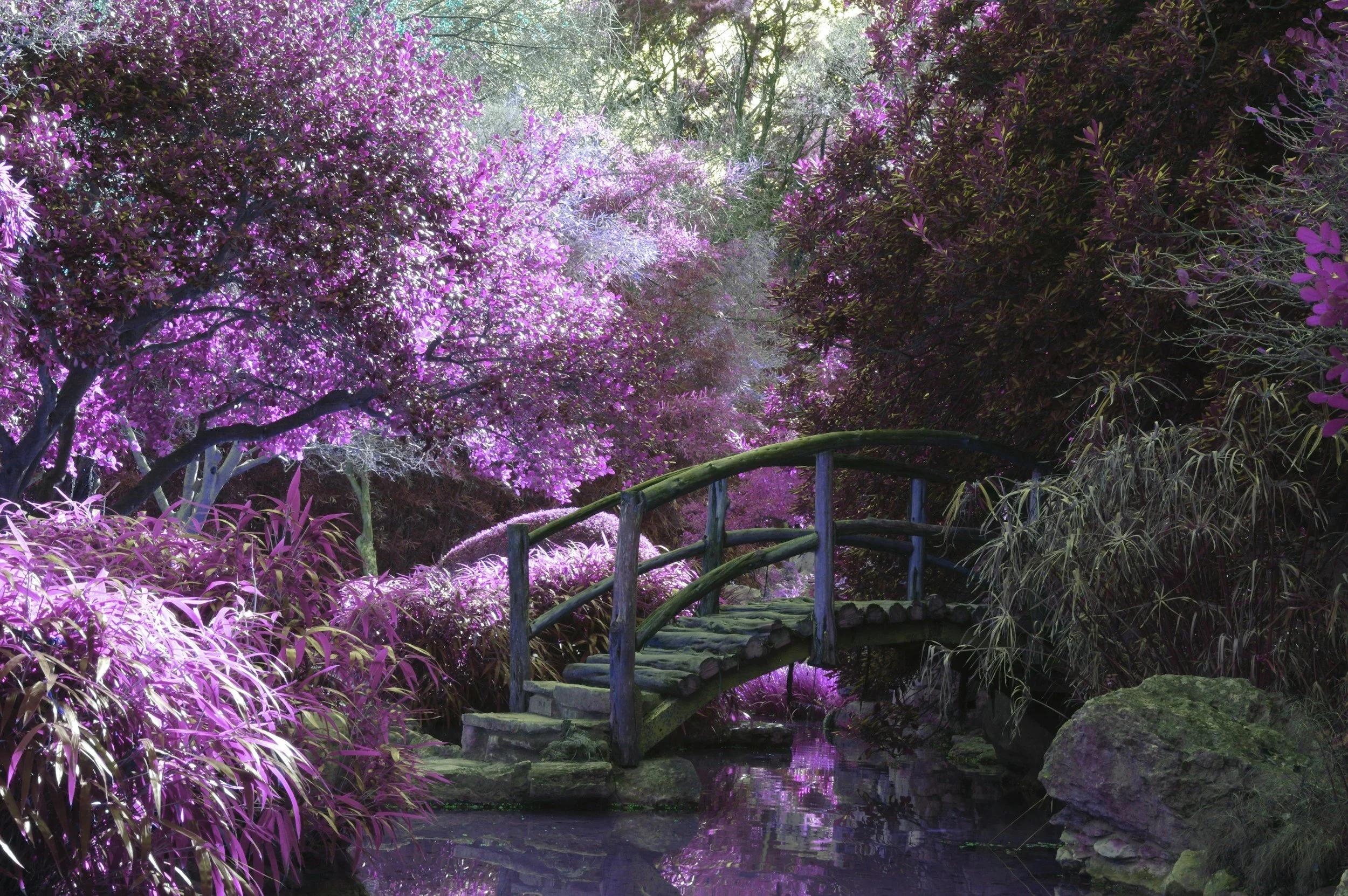
The Fae are Doyenne and were the first creatures that the Goddess of Life, Meraki, consciously gave birth to. All flora and fauna are Fae. A Fae who has lived long enough, or accrued enough power, ascend into gentry, sometimes taking on more humanoid forms, sometimes not. Each Fae belongs to one of two courts: the Seelie or Unseelie.
Seelie and Unseelie Courts
Each court has its own politics and goals and the two are often at odds with one another but have known to unite in times of crisis. The Seelie, the dominant court during the Spring and Summer, are often considered benevolent creatures and are touted as the more powerful court; however, there is a saying that “while the Seelie wield the Sun, the Unseelie never sleep.” The Unseelie are often feared as malevolent tricksters and reign during Autumn and Winter.
The Pax Eclipsis
Originally the Seelie and Unseelie lived on and ruled over two different continents. Each continent had its own World Tree at its center. There is a prevailing theory among scholars that these were not two separate trees but two “branches” of the same entity—the planet—in the same way a person has two separate arms.
The Seelie referred to their World Tree, Céadach, or “First One” while the Unseelie revered their World Tree as Nintu, “Lady of Birth.” Both cultures had the most profound respect and love for the World Tree and considered the base of the tree a sacred site of immense power. Scholars have begun referring to the World Tree as Pangea, a name which encompasses both trees—now seen as branches.
The damage that Nezha caused to Céadach also ravaged Nintu as it reverberated throughout the mortal plane. The Schism caused tectonic shifts which shattered the two continents causing them to smash into one another over time. During this period of chaos, the two courts went to war as each ruling class tried to assert its “divine” authority over the other.
After much bloodshed, and only once Thalin was able to stabilize the lands, the two courts entered a fragile peace treaty which was dubbed the Pax Eclipsis. The treaty not only acted as a ceasefire between the two courts; but also functioned as a marriage contract wedding the Unseelie Queen, Titania, with the Seelie King, Alberich.
The treaty dictated that during the Spring and Summer months, the Seelie King would rule, and the Unseelie Queen would be in power during the Autumn and Winter. Autumn and Spring would act as transition periods while the Seelie King hibernated during Winter while the Unseelie Queen became dormant during the Summer. It was the charge of each ruler to keep their spouse safe during their most vulnerable times.
The signing of the Pax Eclipsis is universally regarded as the end of The Schism.
The Scarlet Garden
A lush forest, haven for Fae, and former domain of the goddess Saoirse, most people steer clear of the Scarlet Garden. Those who were lucky enough to escape the Scarlet Garden alive all agree that the only thing that exceeds the beauty of the garden is how dangerous it is.
The Scarlet Garden is the original forest that Saoirse lived in as a dryad before her apotheosis. The forest was heavily damaged by the fires; however, upon her return Saoirse helped cultivate the land back into a thriving ecosystem.
During the Cradle, Saoirse called the garden her home and lived alongside those she protected; however, post-Schism, with Saoirse having retreated to the Astral Realm, the Fae took over stewardship of the woods and claimed it as their capital city. Powerful magic keeps it hidden from the naked eye making it impossible for trespassers to find. To enter the Scarlet Garden now requires express permission from the Gentry.
Over time the flora and fauna in the Scarlet Garden evolved so its foliage is no longer the blood red it got its name from. Nonetheless, original trees from Saoirse’s time remain scattered throughout the territory and the Gentry revere them as saints. To harm one of these trees would not only result in a person’s swift execution, but would draw the ire of the entire Seelie and Unseelie courts for multiple reincarnations.
The Crown Knights
The Crown Knights were four generals of the Unseelie Court who led the Queen’s forces in the war against the Seelie. These knights were renowned for their unmatched power and deadly effectiveness during the conflict. Seelie forces were instructed that, should they ever lay eyes on one of the Crown Knights on the battlefield, they were to disengage and flee immediately.
When the Pax Eclipsis was signed, part of the agreement was that the Crown Knights would be tried for war crimes. Each of the four were found guilty and were sentenced to a lifetime imprisonment. Four, unique, prisons were constructed to house a knight each. The locations of the prisons are known only to the King and Queen, but it is rumored that they are scattered throughout the deepest recesses of the natural world, protected not only by treacherous landscapes but by the most advanced rituals.
The Crown Knights, as an entity, continue to exist and serve the Queen directly; however, the current members are a far cry from their predecessors.
Each Crown Knight has their own title and crest which are:
Knight of the Blooming Field
The Knight of the Blooming Field wielded a halberd and their crest is a red poppy. The red knight is infamous for entering berserker frenzies on the battlefield and mowing down legions singlehandedly.
Knight of the Hollow Harvest
The Knight of the Hollow Harvest wielded a two-handed axe and their crest is a black hellebore. The black knight is a renowned tactician who would decimate supply lines to isolate enemy troops and wear them down through attrition.
Knight of the Long Grave
The Knight of the Long Grave wielded a bow and their crest is a pale green chrysanthemum. The green knight was a silent scourge to their enemies. Their arrows were so quick and precise they would kill targets before they could even realize they were dead.
Knight of the Gilded Sovereign
The Knight of the Gilded Sovereign wielded a sword and shield and their crest was a white lily. The white knight was regarded as the unofficial leader of the four knights. They were a master general who could rally even the most downtrodden troops to victory.
Types of Fae
Below is a list of various Fae that have been documented by scholars:
Uiros
Uiros are flora and fauna that have transcended being regular plants and animals. They are creatures who have gained the ability to communicate with other races and have a reputation for possessing great wisdom. They are often leaders within their community acting as guardians of their packs.
Bugbear
An unseelie primarily known for creating and exasperating fear in its victims. Bugbears are reminiscent of shaggy bears as they are covered in thick, coarse hair, and possess large, wedge-shaped ears. They are known to lurk in the woods and ambush their targets after filling them with dread.
Centaur
Centaur are seelie that have the upper body of a human and the lower body of a horse. They are known to dwell in mountains and forests and have a wild, lawless, and inhospitable nature. They are prone to drunkenness and violence and possess great physical strength; however, elder centaurs are famous for their wisdom in medicine, astrology, and combat.
Ents
Ents have pledged allegiance to both the seelie and unseelie courts. They are giant, ancient, trees that have achieved sentience and act as guardians of the forests within which they live. Ents are typically peaceful creatures that spend most of their time sleeping; however, if enraged, they are the embodiment of nature’s fury.
Fairies
Fairies are seelie and are winged sprites known for their potent magical and alchemical abilities. Fairies have volatile personalities and can turn from friendly to malicious instantly. They are often found in fields of flowers.
Fauns
Fauns are seelie who appear as half-human and half-goat. They are rustic creatures and dwell mostly within forests, woodlands, and fields. They are typically gentle and peaceful—and at times a tad foolish. Fauns are well known for their musical proficiency and can often be found engaging in merrymaking and dance.
Minotaur
Minotaur are seelie with the head and tail of a bull and the body of a man. They are savage, relentless monsters and are often recruited as foot-soldiers for the seelie court.
Satyr
Satyrs are unseelie that have the body of a man with donkey-like features such as snub-noses, large, pointed ears, a bristly mane of hair, and a long horse tail. Despite being members of opposite courts, satyrs have strong relationships with fauns as both have a love for the arts; however, satyrs are more uninhibited and wilder and engage in hedonistic behavior.
Siren
Siren are unseelie that have the head and torso of a human and the body, wings, and legs of a large bird. They live on rocky islands, and the shores around their dwellings are often littered with the bones and rotting flesh of the prey who succumbed to the allure of their music. Their songs are not merely beautiful but also hypnotic and compel all who hear it to walk willingly to their demise.
Dryad
Dryads are seelie that have a humanoid form and are often draped in leaves with vines for hair and bark for skin. Where ents evolved to move themselves, dryads are the embodiment of the life force within a tree that is projected into the material world to interact with it (some academics have likened them to the lure of anglerfish). The purpose of the dryad is to guard and nurture their tree and the surrounding grove. They are generally benevolent but can be vengeful if they witness disrespect or damage to their home.
Mermaid
Mermaids belong to both the seelie and unseelie courts. They are aquatic fey with the torso of a human and the tail of a fish. They dwell in the ocean, seas, rivers, and lakes, often near rocky coasts or hidden grottoes. While typically gentle, they have been known to drown people after luring their targets into the water.
There is a subspecies of mermaid called the Ningyo whose forms are more fish than person. The ningyo differs from most mermaids in that they have a fish-like mouth filled with small, sharp teeth and golden scales. The ningyo’s voice is ethereal and high-pitched, like the sound of a flute or small bird. There are rumors that, if a person eats the flesh of a ningyo, they will gain eternal youth and immortality. Ningyo are said to be great prophets and are considered harbingers of doom when spotted.
Pixie
Pixies are exceedingly small unseelie who toute pointed ears and mischievous features such as rows of razor-sharp teeth. They are infamous for wearing green rags and dislike having new clothes offered to them. They are primarily known for pranks and trickery which are often annoying but rarely harmful. They are fond of music, dancing, and nocturnal revels in their hidden rings or groves and, similarly to faeries, are often reside within fields of flowers.
Puca
Puca are amphibious unseelies that are infamous for their shapeshifting abilities. They have a profound connection to the land and the wild. While they can take virtually any shape, Puca nearly always appears as a dark, sleek animal with glowing, golden eyes. Common forms for Puca include horses, goats, dogs, and humans. Puca are true tricksters that are capricious and driven by their own unpredictable whims. There is more than one story of a Puca decimating crops that have yet to be harvested near the season’s end.
Selkie
Selkie are shapeshifting seelie who can transform between the form of a human and the form of a seal. They typically dwell within the water but, when they come ashore, they shed their seal skin to take on the form of a human. They must keep their skin hidden and safe, as their ability to return to the sea depends entirely on possessing it.
Kelpie
Kelpie are unseelie known for their deceptive beauty and malicious intent. A kelpie is a type of water horse that is a master shapeshifter and is often mistaken for a water elemental. They look like magnificent horses, usually a pony or colt, colored white, grey, or black. Its coat often looks perpetually wet or matted. Kelpies deliberately appear near the water’s edge to entice human victims, especially children. If a person climbs onto its back, they are immediately stuck as the kelpie’s hide becomes sticky and adhesive, making escape impossible. Once their victim is trapped, the kelpie gallops into the deepest part of the water, drowning the rider before devouring them, leaving only the liver to float to the surface.
Basilisk
Basilisks are reptilian unseelie known as the King of Serpents. They are a venomous serpent whose gaze can petrify any who locks eyes with it. Its most distinguishing physical feature is the white spot, stripe, or crested growth on its head. It secrets such potent venom that it can cause plants to wither and stones to crack. Its venom is known to even disintegrate steel.
Cockatrice
Cockatrices are hybrid unseelie that have the body of a serpent, often with wings, and the head, comb, and legs of a rooster. It is said to hatch from a rooster’s egg, which must then be incubated by a toad or a snake. While a basilisk’s gaze will turn a victim to stone, a cockatrice’s gaze is said to kill them instantly. Like a basilisk, the cockatrice also possesses a highly corrosive and toxic breath.
Gryphon
Gryphons are seelie that have the body of a lion and the head and wings of an eagle. They are symbols of power, guardianship, and majesty. Like minotaur, the Seelie army has a large regiment of gryphons at its disposal.
Tengu
Tengu are Fae that live in the forests and mountains. Tengu elders, or Daitengu, are powerful, wise, and formidable warriors. They have humanoid bodies and possess distinct long, red noses, and angry faces. The Karasu tengu, crow tengu, are the lower-ranking tengu that serve the daitengu and are much more numerous. They have the head and beak of a crow, a human body, and black feathers and wings. They are often mischievous and are known for kidnapping and trickery.
